Is Roof Sarking Waterproof? Here’s What It Really Protects Against
January 15, 2026What Is Sarking Used For? 5 Things Most Homeowners Don’t Realise
January 15, 2026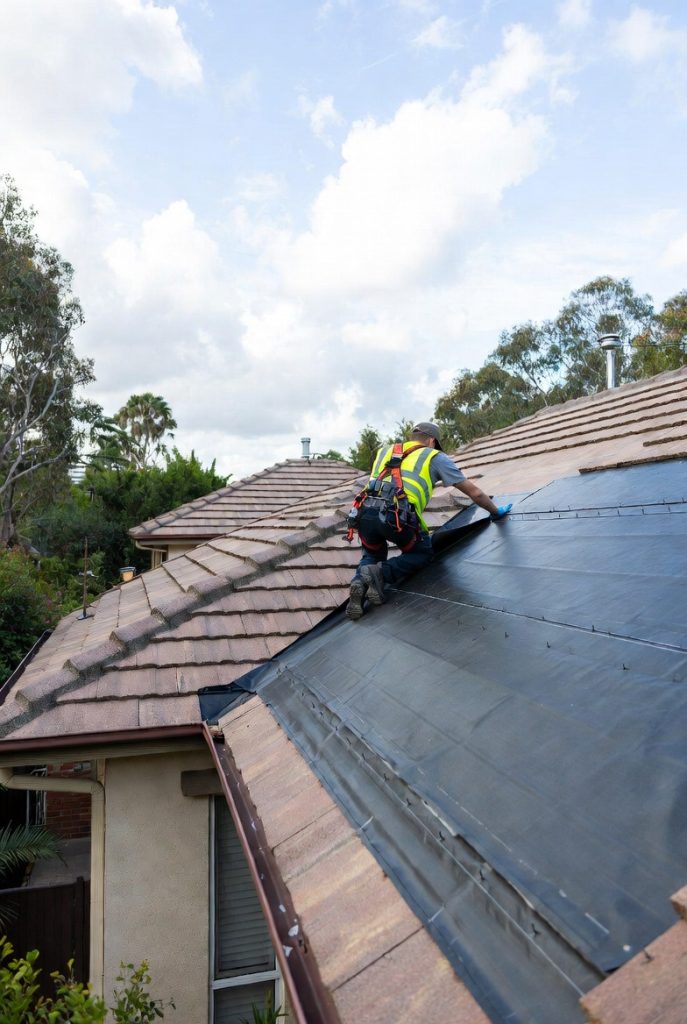
This is something homeowners ask us all the time, usually once they’ve already had a leak, condensation issue, or roof repair:
Can sarking be installed in an existing roof, or does it only go in during a new build?
The answer is yes — sarking can be added to an existing roof, and it’s something we do regularly as part of roof repairs and upgrades.
It’s not just for brand-new homes.
Adding Sarking to an Existing Roof Is Very Common
A lot of people assume sarking can only be installed when a roof is completely removed. In reality, that’s not the case.
In Perth, adding sarking to an existing roof is common during:
- roof leak repairs
- storm or wind damage work
- tile replacement or rebedding
- ongoing condensation problems
- general roof upgrades
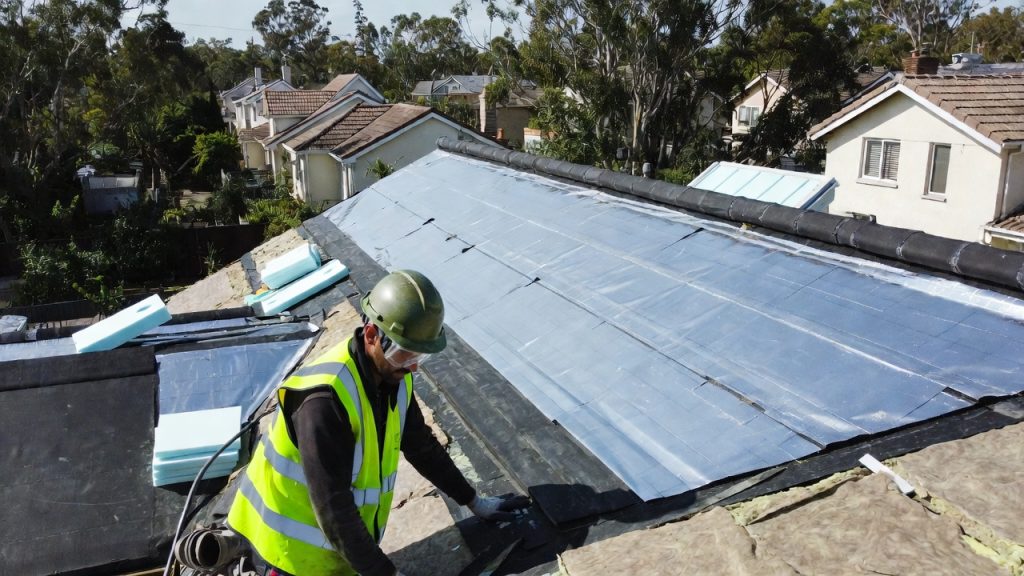
Rather than stripping the entire roof, the work is usually done in sections, allowing sarking to be installed where it’s needed without a full re-roof.
How Sarking Is Added to Tiled Roofs
Tiled roofs are the most straightforward when it comes to adding sarking after the roof is already built.
The process usually involves:
- lifting sections of tiles
- installing sarking beneath the battens
- re-laying the tiles once the membrane is in place
This allows the sarking to be installed properly, with correct overlaps and drainage paths, while keeping disruption to a minimum.
It takes more time than a new build install, but it’s effective — and it’s why many older tiled roofs can still benefit from sarking.
What About Metal Roofs?
Metal roofs can also have sarking added, but the approach depends on how the roof is constructed and what work is already being done.
In some cases:
- sections of metal sheeting are temporarily removed
- sarking is installed during leak repairs
- upgrades are done alongside partial roof works
It’s a bit more involved than tiled roofs, but adding sarking to an existing metal roof is still possible in the right situations.
Why Homeowners Decide to Add Sarking Later
Most people don’t plan to add sarking after their home is built. It usually happens because of a problem.
Common reasons include:
- water getting past tiles during heavy rain
- condensation dripping into ceilings
- dust entering the roof space
- poor temperature control inside the home
In these cases, sarking acts as a backup layer, helping manage moisture and protect insulation and ceilings going forward.
Does Sarking Work the Same When Added Later?
Yes — as long as it’s installed correctly.
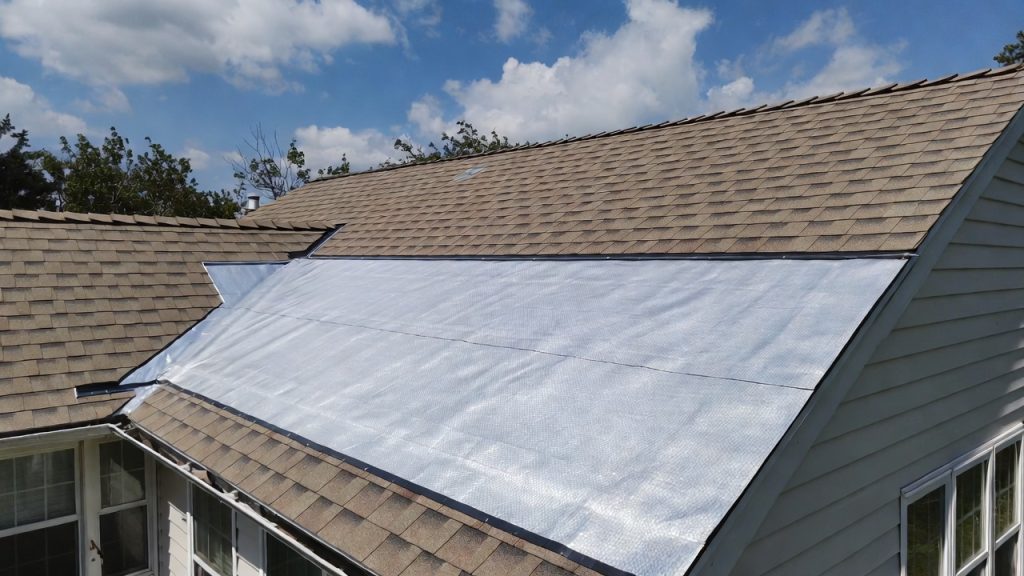
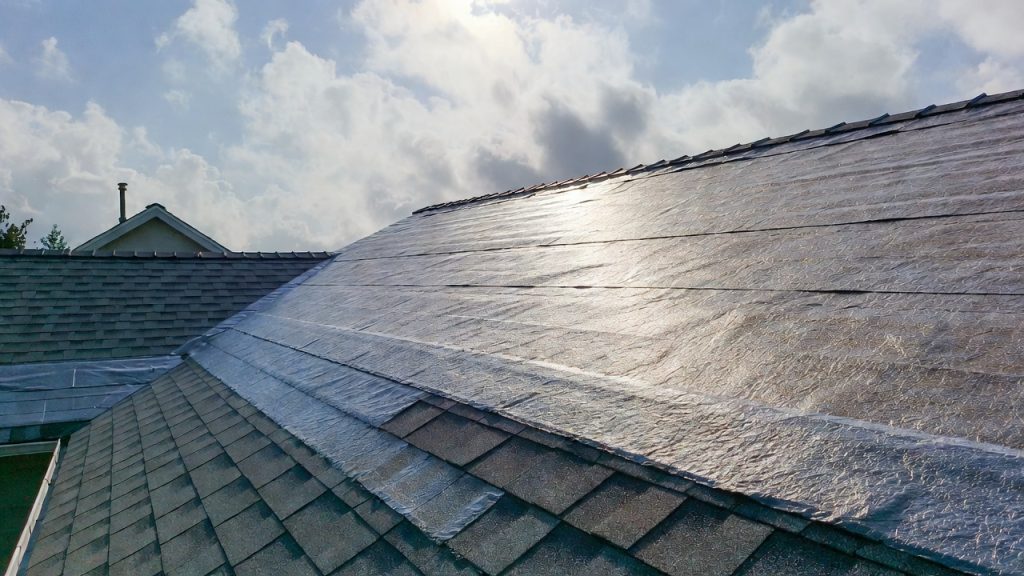
When sarking is added properly to an existing roof, it performs the same role as sarking installed during construction. What matters most is:
- correct placement under the roof covering
- proper overlaps
- allowing water to drain toward the gutter
If those basics are done right, the timing of the installation doesn’t reduce its effectiveness.
When Adding Sarking Might Not Be the Best Option
While adding sarking to an existing roof is common, it’s not always the right solution.
It may not be suitable if:
- access is extremely limited
- the roof covering is very old or brittle
- the cost outweighs the benefit
In those cases, other solutions — like targeted roof repairs or insulation improvements — may be more practical.
Do You Need to Replace the Whole Roof to Add Sarking?
In most cases, no.
Many homeowners assume adding sarking means replacing the entire roof, but that’s rarely necessary. Section-by-section work is often enough, especially on tiled roofs.
This is why it’s important to speak with someone experienced in adding sarking to existing roofs — not just installing it in new builds.
Read more here if you want a clearer overview of what sarking does and when it’s recommended.
Final Takeaway
Yes — sarking can be added to an existing roof, and it’s done far more often than most people realise.
The right approach depends on the roof type, access, and reason for adding it. When installed as part of repair or upgrade work, sarking can significantly improve moisture control, thermal performance, and roof protection.
If you’re dealing with leaks, condensation, or roof damage, it’s worth asking whether sarking can be added as part of the solution — rather than assuming it’s only for new homes.
Common Questions
Can sarking be added without lifting tiles?
Usually, tiles need to be lifted in sections so the sarking can be installed properly.
Is adding sarking disruptive?
It’s more involved than new construction, but far less disruptive than replacing the entire roof.
Does adding sarking later still meet building standards?
Yes, when installed correctly as part of compliant roof work.