Sarking vs Sisalation: What’s the Difference?
January 15, 2026Can You Install Sarking in Existing Roofs? A Simple Guide
January 15, 2026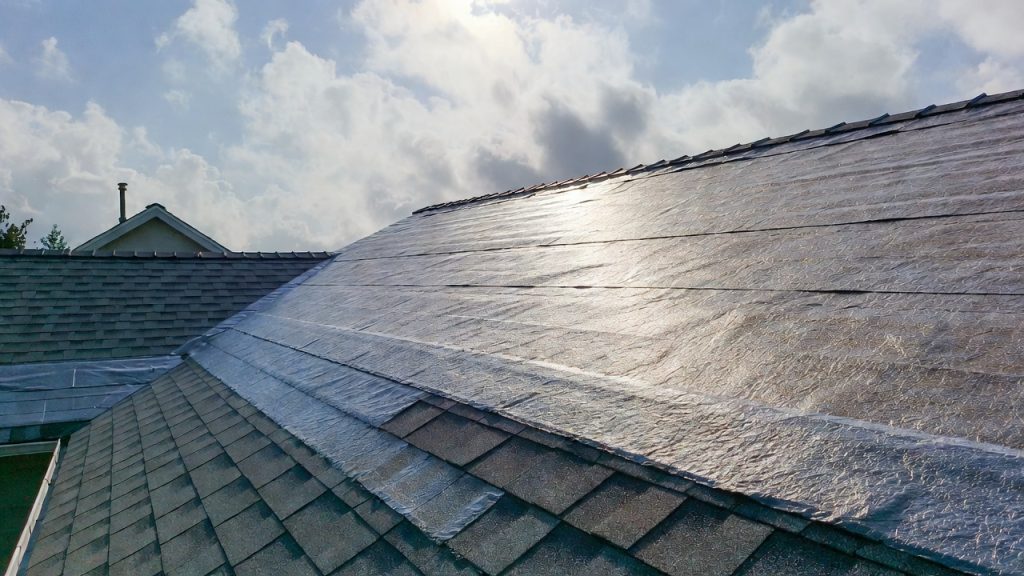
This is one of the most common roofing questions we hear, and it usually comes after a leak or a storm:
Is roof sarking waterproof?
The honest answer is no — but that doesn’t mean it’s useless.
Sarking isn’t there to replace your roof. It’s there to back it up. Once you understand that difference, everything else makes a lot more sense.
What People Usually Mean by “Waterproof”
When most homeowners ask if sarking is waterproof, they’re really asking one of two things:
- Will it stop my roof from leaking?
- Will it protect my ceiling if water gets in?
That’s fair. Roofing systems have a lot of layers, and not all of them do the same job.
Sarking isn’t designed to be the first line of defence. Tiles, metal sheets, flashing — those do the heavy lifting. Sarking sits underneath as a secondary barrier.
What Roof Sarking Actually Does Protect Against
Roof sarking is designed to help manage the things that slip past your main roof covering, not replace it.
In real-world conditions, it helps protect against:
- wind-driven rain that gets under tiles
- moisture forming from condensation
- dust and debris entering the roof space
- minor water ingress during storms
In places like Perth, where you can get sudden heavy rain followed by heat, that extra layer can make a noticeable difference over time.
Why Sarking Isn’t Considered Fully Waterproof
Sarking materials are water-resistant, not waterproof in the same way roofing membranes or tank liners are.
They’re installed with overlaps and fixings, which means:
- water can be directed away
- moisture can be managed
- but they’re not sealed like a roof surface
If a roof has broken tiles, loose sheets, or failed flashing, sarking can slow water down — but it won’t stop a serious leak on its own.
That’s why calling it “waterproof” causes confusion.
How Sarking Helps During Heavy Rain
Where sarking really earns its place is during wind-driven rain.
Strong winds can push water sideways and upward, forcing it under tiles or along metal seams. Sarking helps guide that water down toward gutters instead of letting it drip straight onto insulation or ceilings.
It buys time.
It limits damage.
It reduces the mess.
But it’s still working in support, not as the main shield.
What Sarking Doesn’t Protect Against
It’s just as important to know what sarking won’t do.
Sarking will not:
- fix existing roof leaks
- replace tiles or metal sheeting
- stop water from entering through major gaps
- compensate for poor roof maintenance
If water is pouring in, the problem is usually above the sarking, not below it.
Condensation: Where Sarking Really Helps
One area where sarking is often misunderstood is condensation.
Warm air rises. When it hits a cooler roof surface, moisture can form. Sarking helps prevent that moisture from dripping straight onto insulation or ceilings.
This is especially relevant under metal roofs, where condensation can be more common.
So while sarking might not be “waterproof” in the traditional sense, it plays a big role in moisture control.
Does Sarking Replace Roof Repairs?
No — and this is important.
Sarking is not a fix for damaged roofs. It’s there to reduce risk, not eliminate it.
If your roof is leaking, cracked, or failing, the correct solution is still proper roof repairs. Sarking simply adds an extra layer of protection once the roof itself is doing its job.
Read more here if you want a clearer picture of when sarking is used and how it fits into a roofing system.
So, Is Roof Sarking Worth It?
In most cases, yes — but for the right reasons.
Sarking is worth having because it:
- reduces damage during storms
- helps manage condensation
- protects insulation and ceilings
- adds resilience to the roof system
It just shouldn’t be mistaken for a waterproof roof on its own.
Final Takeaway
Roof sarking isn’t waterproof in the way tiles or metal sheets are. It’s a secondary layer designed to support your roof, not replace it.
If your roof is in good condition, sarking adds protection.
If your roof is failing, sarking won’t fix that on its own.
Understanding that difference helps you set realistic expectations — and make better decisions when it comes to roof work.
Common Questions
Can sarking stop a roof leak?
It can reduce water damage, but it won’t stop an active leak caused by roof damage.
Is sarking needed under all roofs?
Not always, but many roofs benefit from it, especially in exposed or high-rain areas.
Does sarking help with insulation?
Indirectly, yes. It helps manage heat and moisture, but it doesn’t replace insulation.