Where do roofing materials come from?
July 25, 2025Is Roof Sarking Waterproof? Here’s What It Really Protects Against
January 15, 2026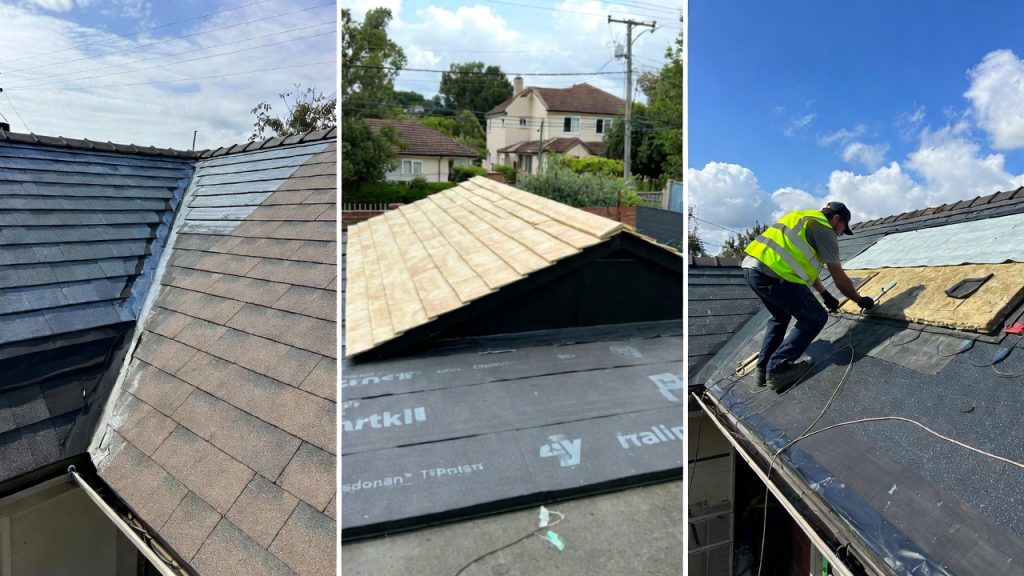
If you’ve been Googling roof repairs or insulation, you’ve probably hit the same wall a lot of homeowners do:
one person says sarking, another says Sisalation, and suddenly it sounds like two different things.
They’re not.
But they’re not identical either.
Here’s the straight explanation, without the jargon.
What Roof Sarking Actually Is
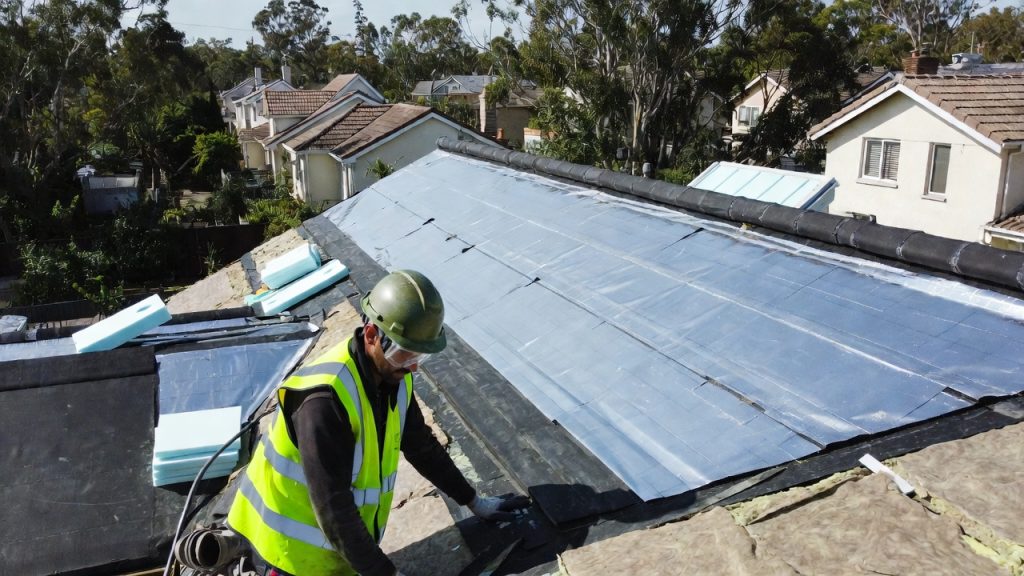
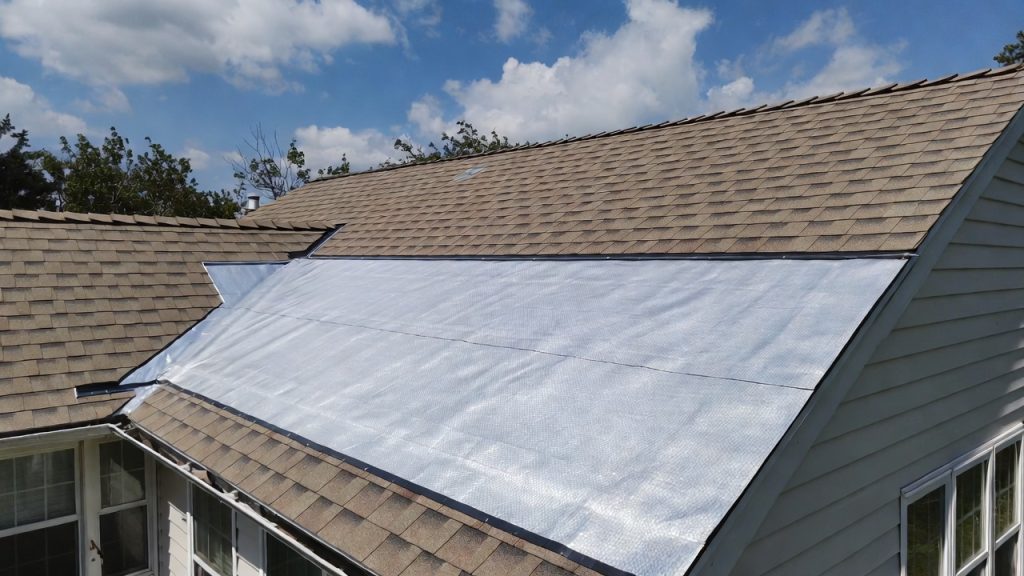
Roof sarking is the foil layer that sits under your roof covering. You never see it once the roof’s finished, but it’s doing a few quiet jobs in the background.
Mainly, it helps with:
- heat coming through the roof
- moisture and condensation
- dust blowing into the roof space
- water that gets pushed under tiles during storms
In WA conditions, that extra layer matters more than people think — especially with heat and sudden weather changes.
For an in-depth look, please refer to our Roof Sarking complete guide.
So Where Does Sisalation Fit In?
This is where most of the confusion comes from.
Sisalation is just a brand name.
It’s made by CSR, and it’s one of several foil products used as roof sarking.
Over time, the name stuck. So now people say “Sisalation” even when the product going into the roof isn’t actually CSR Sisalation at all.
Basically:
- Sarking = what it is
- Sisalation = one branded version of it
All Sisalation is sarking. Not all sarking is Sisalation.
Why Builders and Quotes Don’t Make This Clear
A lot of the time, it’s not deliberate. It’s just habit.
Trades have used the word “Sisalation” for years, the same way people say “Texter” instead of text message. Quotes often list it without explanation, and homeowners assume it’s something different or better.
That’s why searches for sarking vs Sisalation are so common — people are trying to work out if they’re being upsold, short-changed, or just confused.
Is One Better Than the Other?
In real-world terms, performance usually comes down to how it’s installed, not what name is printed on the roll.
Most foil sarking products are designed to:
- reflect radiant heat
- act as a moisture barrier
- reduce condensation dripping into ceilings
Where they differ is in material quality, thickness, and whether the foil is perforated or not.
But even a premium product won’t perform well if it’s installed poorly.
What Sarking (or Sisalation) Doesn’t Do
This part catches people out.
Sarking is not a waterproof roof.
It’s a backup layer.
It helps manage:
- wind-driven rain
- condensation under metal roofs
- minor water entry until repairs are done
It does not replace tiles, metal sheets, flashing, or proper roof maintenance.
How Long Does It Last?
Once it’s installed and covered, foil sarking generally lasts a long time.
Problems usually come from:
- poor installation
- tears during roof work
- lack of ventilation in the roof space
If it’s done properly, it just sits there doing its job without needing attention.
So What Should You Be Asking For?
For most people, the question isn’t really Sisalation vs sarking.
It’s whether sarking is right for your roof at all — and what type makes sense.
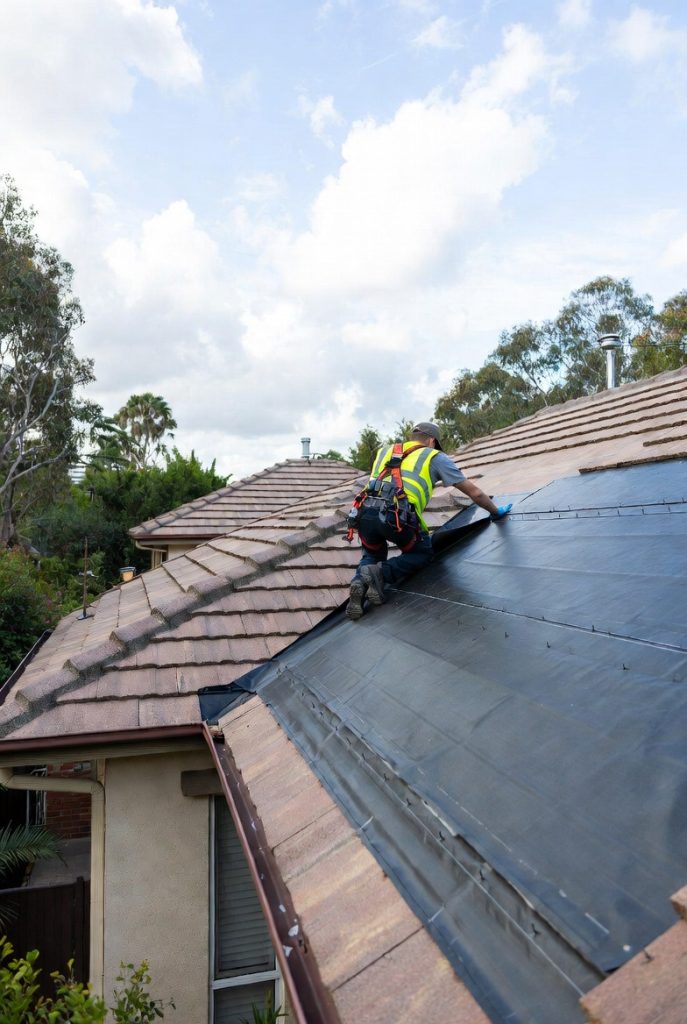
Sarking is commonly added during:
- new builds
- re-roofing projects
- storm damage repairs
- condensation issues
What matters most is that the product suits your roof and is installed correctly.
If you want to understand how sarking fits alongside insulation and other roof layers, this guide explains it in more detail.
Bottom Line
- Sarking is the category
- Sisalation is a brand name
- Installation matters more than labels
If you’re comparing quotes, ask what’s actually being installed and why. That alone clears up most of the confusion.
Quick Questions People Ask
Is Sisalation better than other sarking?
Not automatically. It depends on the product and how it’s installed.
Can you replace Sisalation with standard foil sarking?
Yes, as long as it suits the roof and meets requirements.
Is sarking required in WA?
Not always, but many roofs benefit from it — especially in hot or exposed areas.