Can You Install Sarking in Existing Roofs? A Simple Guide
January 15, 2026
Roof Sarking and Insulation: Can You Combine Both for Maximum Protection?
January 15, 2026
Ask most people what roof sarking is used for and you’ll usually hear something like “insulation” or “heat control”. That’s not wrong — but it’s only part of the picture.
In reality, sarking does a few different jobs, and some of them only become obvious after a roof starts leaking, sweating, or letting dust in.
So instead of the textbook explanation, here’s what sarking is actually used for in real homes.
Heat Control (But Not in the Way Most People Think)
Yes, sarking helps with heat. That part’s true.
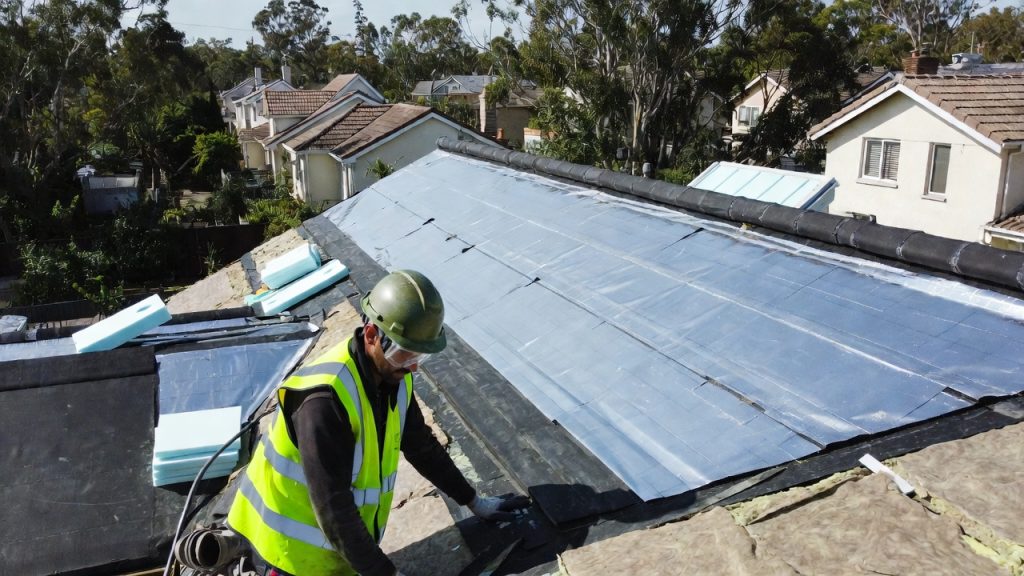
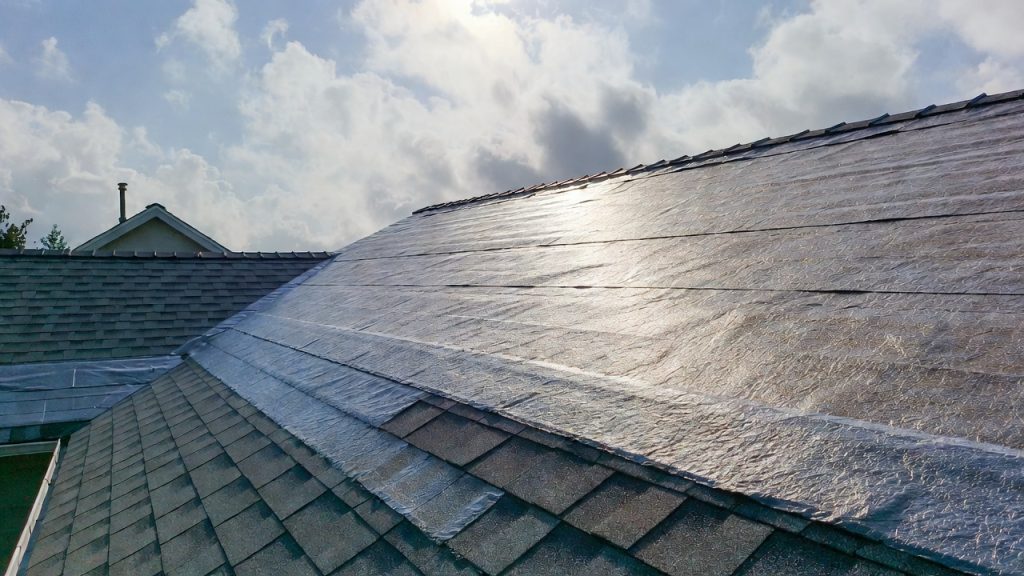
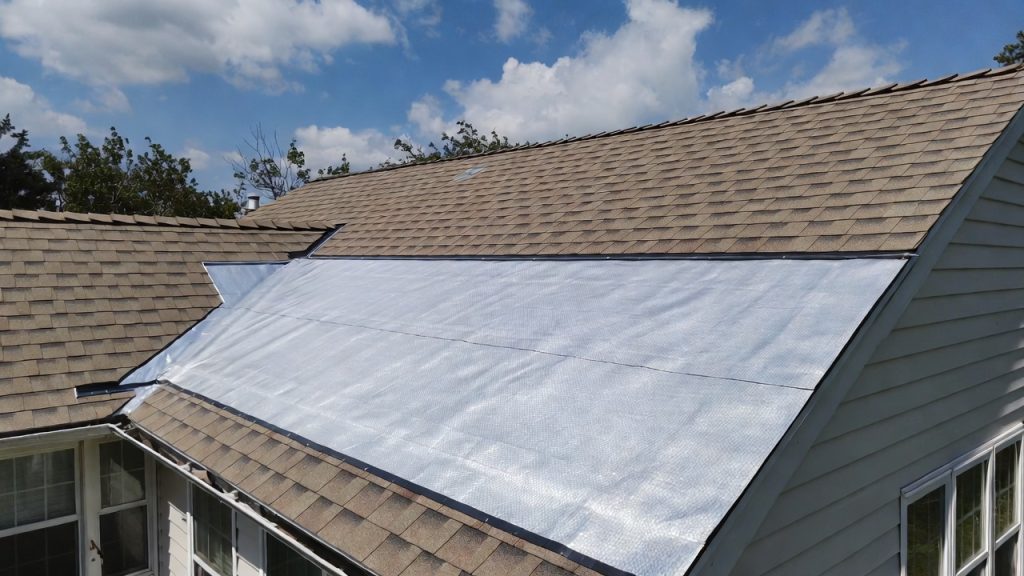
Reflective sarking sits under the roof covering and helps bounce some of the sun’s radiant heat away before it builds up in the roof space. That means less heat sitting above your ceiling all day.
What it doesn’t do is magically cool your house on its own. It works best as part of the system — roof, sarking, insulation, ventilation — not as a standalone fix.
In hot conditions, though, it absolutely plays a role.
Catching Water That Slips Past the Roof
Roofs aren’t perfect forever. Tiles shift. Wind pushes rain sideways. Metal sheets expand and contract.
Sarking is there for the moments when water gets where it shouldn’t.
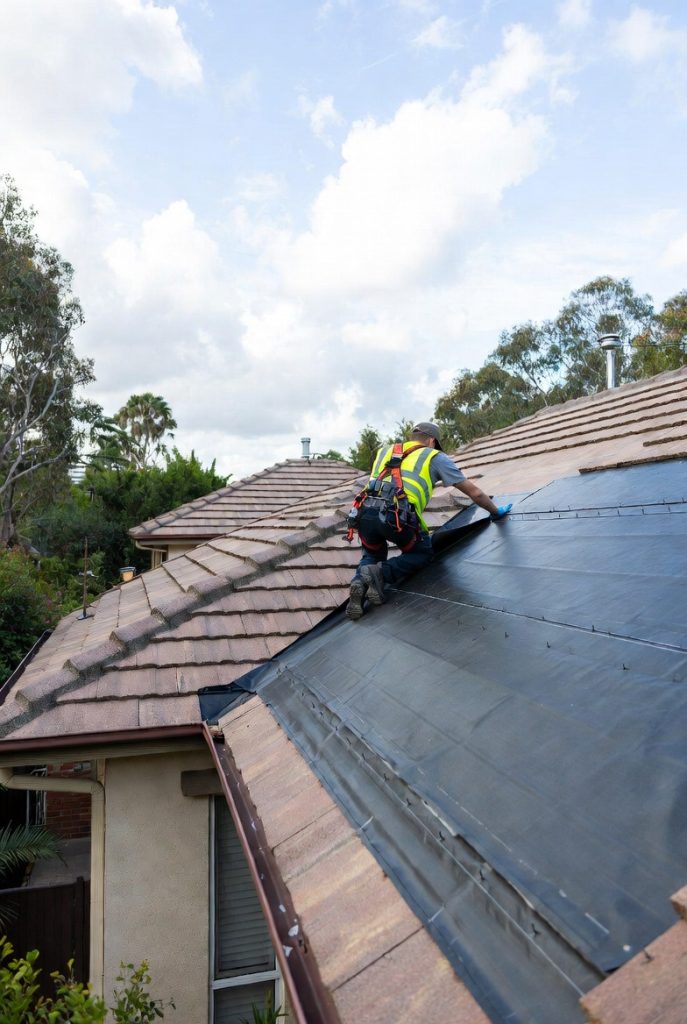
It acts as a backup layer, catching moisture and guiding it away instead of letting it drip straight onto insulation or ceilings. This is why sarking often gets added during roof repair work — once water has already found a weak point.
It’s not there to replace the roof. It’s there to limit damage when the roof is tested.
Helping With Condensation (Which a Lot of People Miss)
Condensation causes more damage than people realise, especially under metal roofs.
Warm air rises, hits a cooler surface, and moisture forms. Without sarking, that moisture can drip down over time and quietly soak insulation or ceiling materials.
Sarking creates separation. It helps manage where that moisture goes and reduces the chance of it becoming a long-term problem.
This is one of those functions you don’t notice when it’s working — but you definitely notice when it’s missing.
Keeping Dust and Fine Debris Out of the Roof Space
This one surprises people.
Over time, wind can push dust, leaves, and fine debris under tiles and into roof cavities. Once it’s in there, it sits on insulation, wiring, and ceiling surfaces.
Sarking helps block a lot of that from entering the roof space in the first place. It’s not something you see day to day, but it makes a difference to how clean and stable the roof cavity stays over the years.
Extra Protection in Harsh Conditions
In certain environments, sarking adds another layer of protection that isn’t always obvious.
During extreme weather — strong winds, storms, or even bushfire conditions — sarking can help reduce what gets into the roof space when the roof is under pressure.
It’s not fireproof and it’s not a guarantee. But as part of a layered roof system, it adds resilience when conditions aren’t ideal.
Why Sarking Is Often Added After Problems Start
Most homeowners don’t install sarking “just because”.
It usually comes up after:
- water has entered the roof
- condensation becomes visible
- ceilings show signs of damage
- comfort inside the home isn’t great
Once those issues appear, sarking becomes less about theory and more about preventing the same problem from happening again.
That’s why it’s so often included during repair or upgrade work.
How Sarking and Insulation Actually Work Together
Sarking and insulation get lumped together, but they do different things.
Sarking helps control what enters the roof space.
Insulation helps control what moves through the ceiling.
Used together, they’re far more effective than either one alone.
If you want a clearer explanation of how the two work side by side, and whether both make sense for your roof, this page breaks it down properly:
👉 Roof Sarking vs Insulation – Can You Have Both?
The Short Version
Sarking isn’t just about heat. It’s used to manage moisture, reduce condensation, block dust, support roof performance, and add a safety net when the roof is under stress.
You might never see it once it’s installed — but when it’s missing, problems tend to show up faster.
Questions People Usually Ask
Is sarking only useful in hot climates?
No. Heat is part of it, but moisture and condensation control matter just as much.
Does sarking replace insulation?
No. They do different jobs and work best together.
Is sarking worth adding during roof repairs?
In many cases, yes — especially if water or condensation has already been an issue.