What Is Sarking Used For? 5 Things Most Homeowners Don’t Realise
January 15, 2026
This is a question a lot of homeowners end up asking once they start digging into roof upgrades:
Do you need sarking and insulation, or is one enough?
The short answer is yes — you can use both together.
And in many cases, that’s when roofs perform best.
The longer answer is that sarking and insulation do very different jobs, even though they’re often talked about as if they’re the same thing.
Why Sarking and Insulation Aren’t the Same
It’s easy to lump them together because they both sit “in the roof”, but they work in completely different ways.
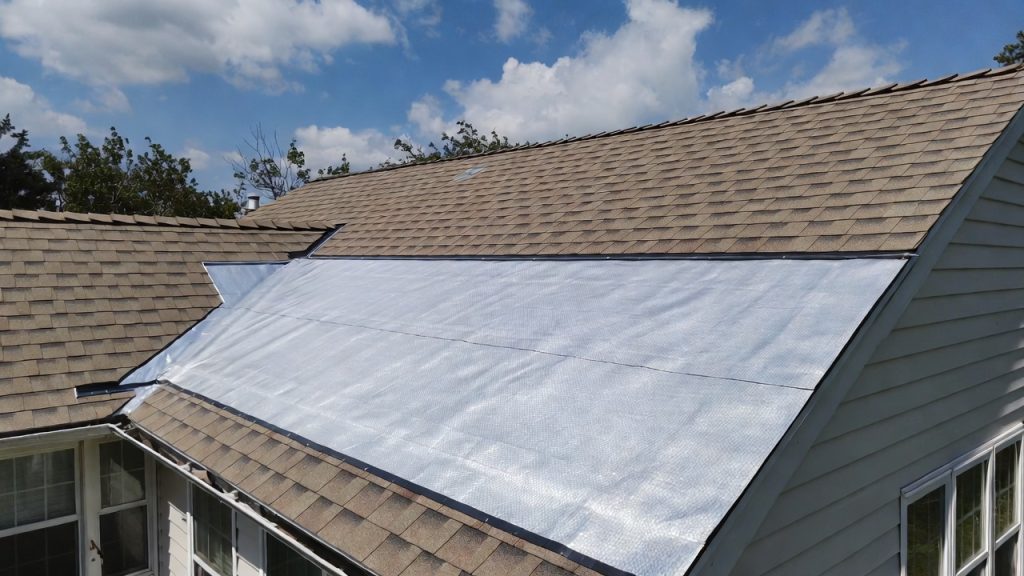
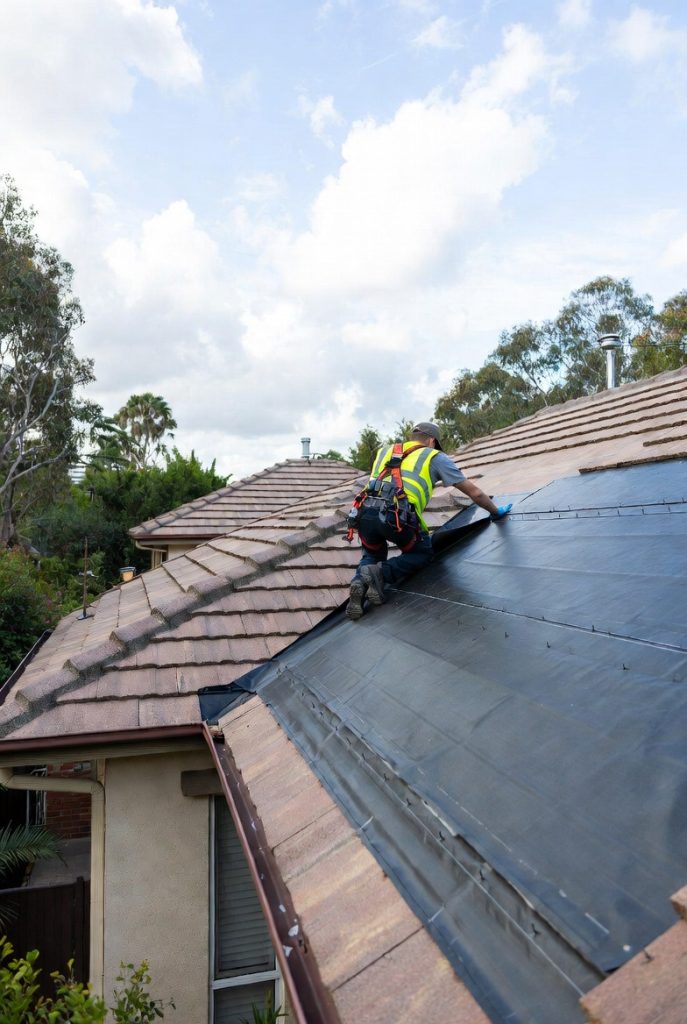
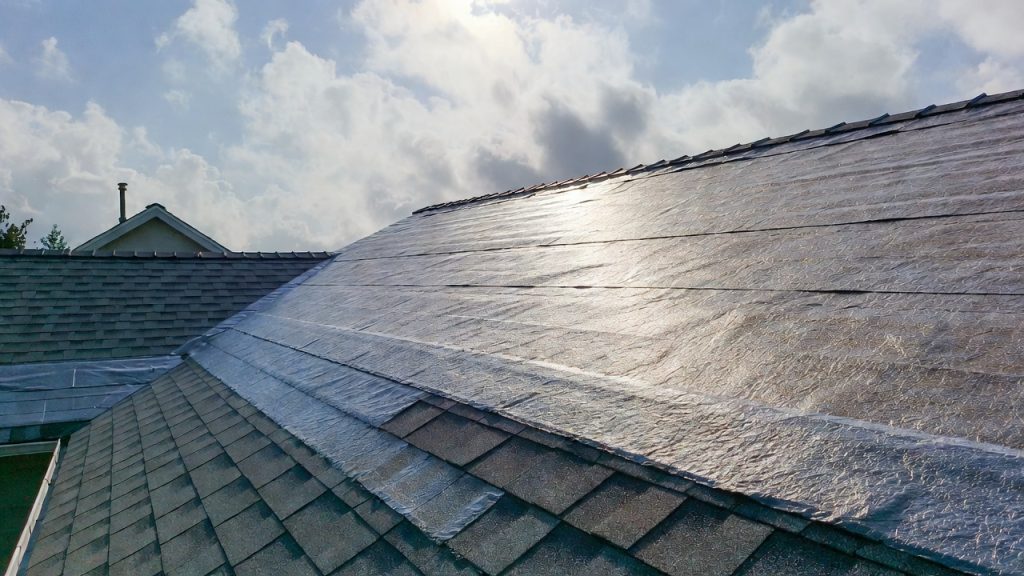
Sarking sits under the roof covering.
Insulation usually sits above the ceiling.
Sarking helps control what comes into the roof space — heat, moisture, dust.
Insulation helps control what moves through the ceiling — mainly heat.
One deals with the roof.
The other deals with the living space below it.
What Sarking Brings to the Setup
Roof sarking is mainly about protection and control.
It helps with:
- reflecting radiant heat before it builds up
- catching moisture or wind-driven rain
- managing condensation under the roof
- keeping dust and debris out of the roof space
It’s a support layer. You don’t feel it working day to day, but when it’s missing, issues tend to show up faster.
What Insulation Does Differently
Insulation’s job is simpler, but just as important.
It slows heat transfer between the roof space and the rooms below. In summer, it helps keep heat out. In winter, it helps keep warmth in.
Insulation doesn’t stop moisture.
It doesn’t block dust.
And it doesn’t protect against leaks.
That’s not a flaw — it’s just not what it’s designed to do.
Why Using Both Makes Sense
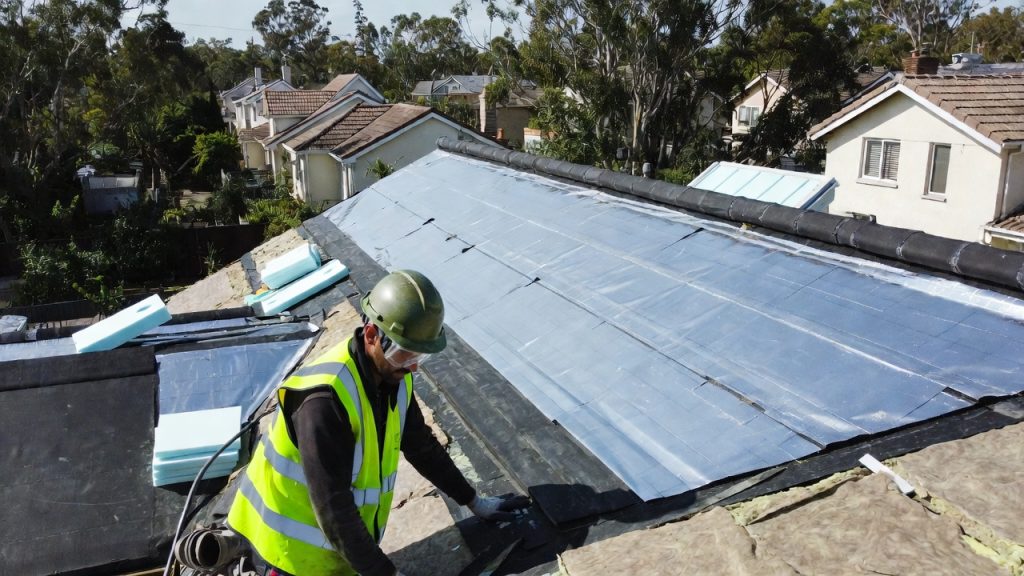
When sarking and insulation are used together, they cover each other’s gaps.
Sarking reduces heat and moisture entering the roof space.
Insulation reduces heat moving through the ceiling.
Together, they:
- improve thermal performance
- reduce condensation risks
- protect ceilings and insulation
- make the roof system more resilient
It’s not about doubling up. It’s about layering the right materials in the right places.
Is This Overkill for Most Homes?
Not necessarily.
In Perth conditions, roofs deal with:
- strong sun
- sudden storms
- wind-driven rain
- temperature swings
Using both sarking and insulation isn’t about chasing perfection — it’s about reducing stress on the roof over time.
That said, not every home needs both added at once. The right approach depends on the roof, access, and what problems you’re actually trying to solve.
When It Makes the Most Sense to Combine Them
Using both sarking and insulation is commonly recommended when:
- re-roofing or doing major roof repairs
- fixing condensation or moisture issues
- upgrading an older roof
- improving comfort and energy efficiency
It’s often easier — and more cost-effective — to address both layers during the same scope of work rather than coming back later.
Common Misunderstanding: One Replacing the Other
This catches people out.
Adding insulation doesn’t make sarking unnecessary.
Adding sarking doesn’t replace insulation.
They solve different problems. Removing one usually means another issue shows up down the line.
If you want a clearer breakdown of how the two work together and whether combining them makes sense for your roof, this page explains it in plain terms:
👉 Roof Sarking vs Insulation – Can You Have Both?
So What’s the “Best” Setup?
There’s no single best setup for every home.
Some roofs need better moisture control.
Some need improved thermal performance.
Some need both.
The best result comes from understanding what the roof is currently missing — not just adding products for the sake of it.
Final Takeaway
Yes, roof sarking and insulation can be used together — and often should be.
Sarking protects the roof space.
Insulation protects the living space.
When they’re combined properly, they create a more stable, durable roof system that handles heat, moisture, and weather far better than either one alone.
Questions Homeowners Usually Ask
Do I need sarking if I already have insulation?
Often, yes — especially if moisture or condensation is an issue.
Can insulation be added without sarking?
Yes, but it won’t address moisture or leak-related problems.
Is it worth combining both during roof repairs?
In many cases, yes. It’s usually the most efficient time to do it.